Why good biomass? Because sustainability must be proven, not presumed
Good biomass for a better future
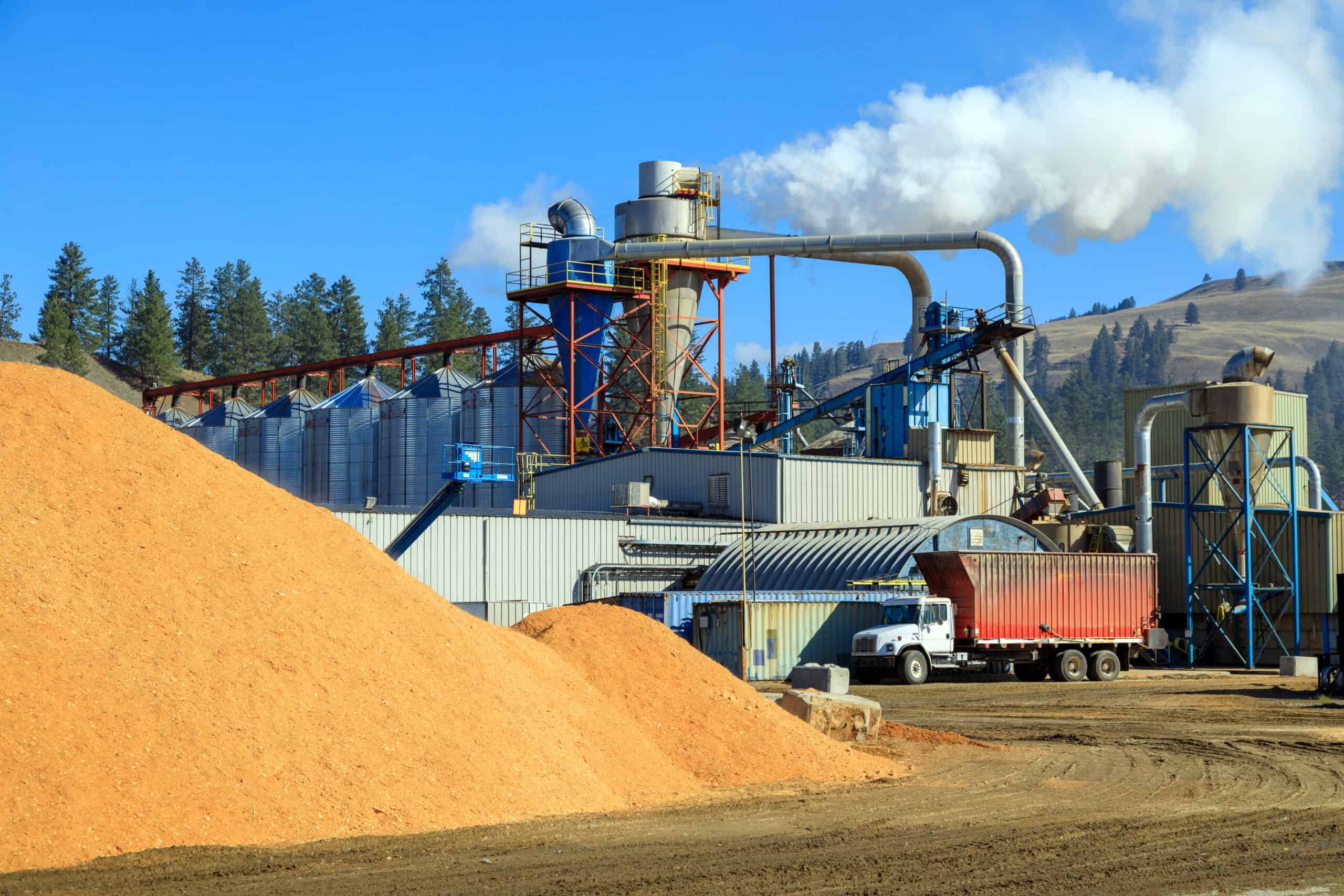
Biomass is a foundation for the circular bioeconomy. From energy source, through sustainable construction and bio-based chemicals to advanced fuels and carbon removal, biomass drives innovation across industries. But not all biomass is created equal. Without robust safeguards, sourcing can harm forests, biodiversity, and communities. Good biomass sets the standard – legally sourced, traceable, and aligned with climate and social goals – so progress never comes at the planet’s expense.
Establishing scientific authority (IPCC, net zero)
The Intergovernmental Panel on Climate Change (IPCC) has made it clear: sustainably sourced biomass is a necessary component of global climate strategies. It is not a marginal option – it is part of the scientific consensus on pathways to net zero. Yet the word “biomass” alone does not guarantee sustainability. Without robust safeguards, sourcing can lead to deforestation, biodiversity loss, and social harm. That’s why the concept of good biomass matters.
Good biomass is not a slogan – it is a standard. Defined by SBP as biomass that is legally and sustainably sourced, traceable from origin to end use, and aligned with climate and biodiversity goals. It respects land rights and labour standards, protects ecosystems, and ensures carbon stocks are stable or increasing. Good biomass safeguards forests, communities, and the climate while enabling progress across industries.
Why does this distinction matter?
Because demand for biomass is growing rapidly, and so is scrutiny. Good biomass provides the assurance that sustainability is not just an ambition, but a verified reality.
There are myths to challenge. Some claim that all biomass is sustainable by default. That’s not true. Others argue that biomass use for energy competes with material uses or food production. In fact, good biomass follows the cascading use principle – prioritising long-lived product applications like construction and chemicals before energy recovery, ensuring resources are used efficiently and in line with circular bioeconomy goals.
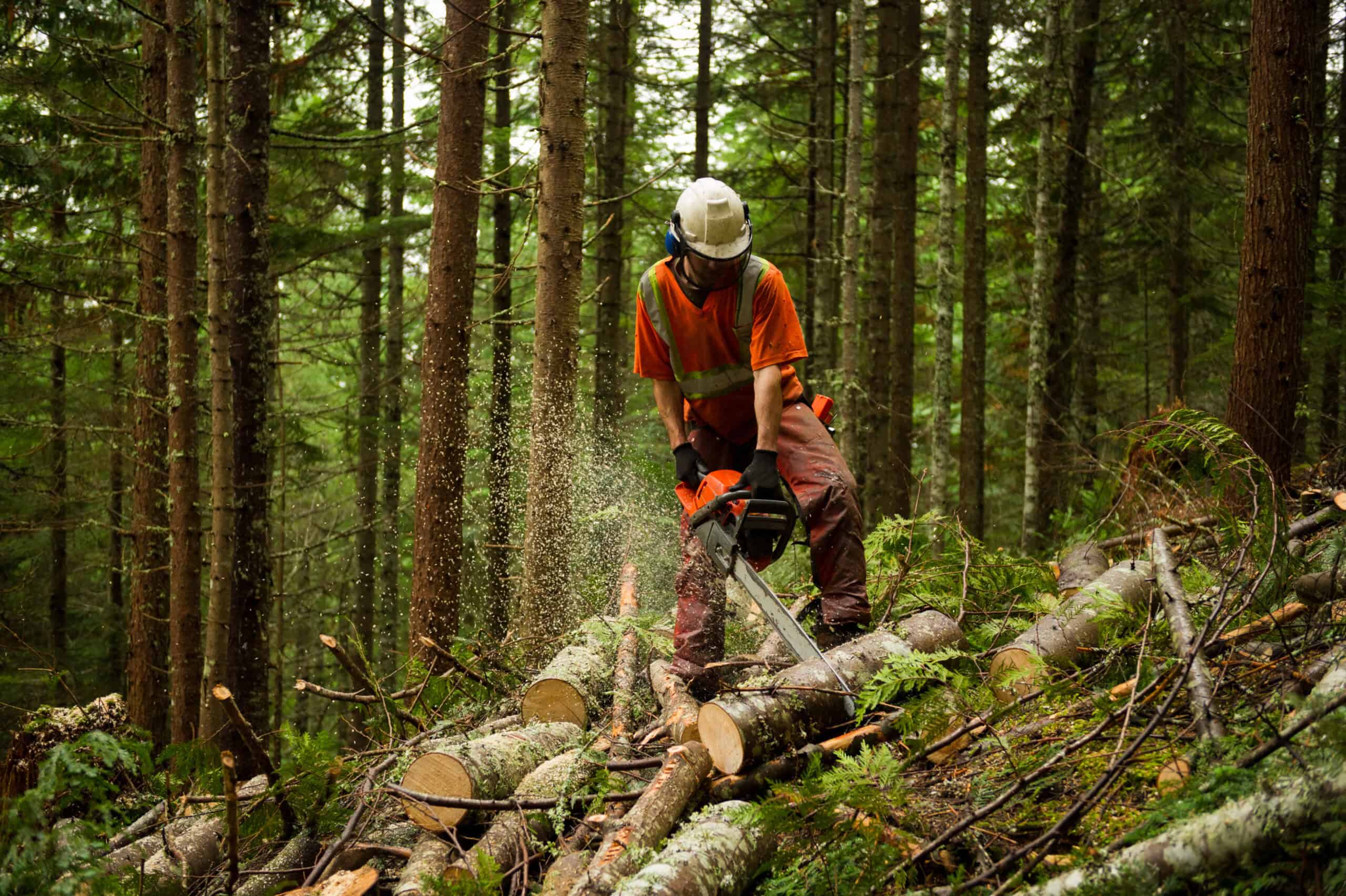

Certification is the cornerstone of credibility. Through rigorous standards, independent audits, and transparent data systems, SBP defines and verifies good biomass. Our framework goes beyond regulatory compliance, setting a high bar for environmental integrity and social responsibility. This is not about volume at any cost; it’s about integrity at every step.
Good biomass is essential for climate action, but it’s also about trust – trust that forests are protected, communities respected, and ecosystems preserved. Trust that the bioeconomy can grow without compromising the planet. That’s why good biomass matters – because sustainability must be proven, not presumed.
Subscribe for updates
Stay informed – receive our quarterly bulletins and updates on Standards interpretations directly to your inbox.