Estimated reading time:
3m
Posted on:
May 12, 2026 at 2:39 pm
Written by:
Melanie Wedgbury
Organisation:
PT Parawood
Country:
Thailand
Type:
Biomass Producer
Scaling sustainable wood pellet production in Thailand’s fast‑growing biomass sector

“As demand for sustainable biomass increases globally, SBP certification provides the assurance our customers expect. It confirms that our feedstock, production systems and data reporting all meet rigorous sustainability criteria, strengthening our role as a reliable supplier in an evolving industry.” Mr Kritpat Rojanaleekul, CEO
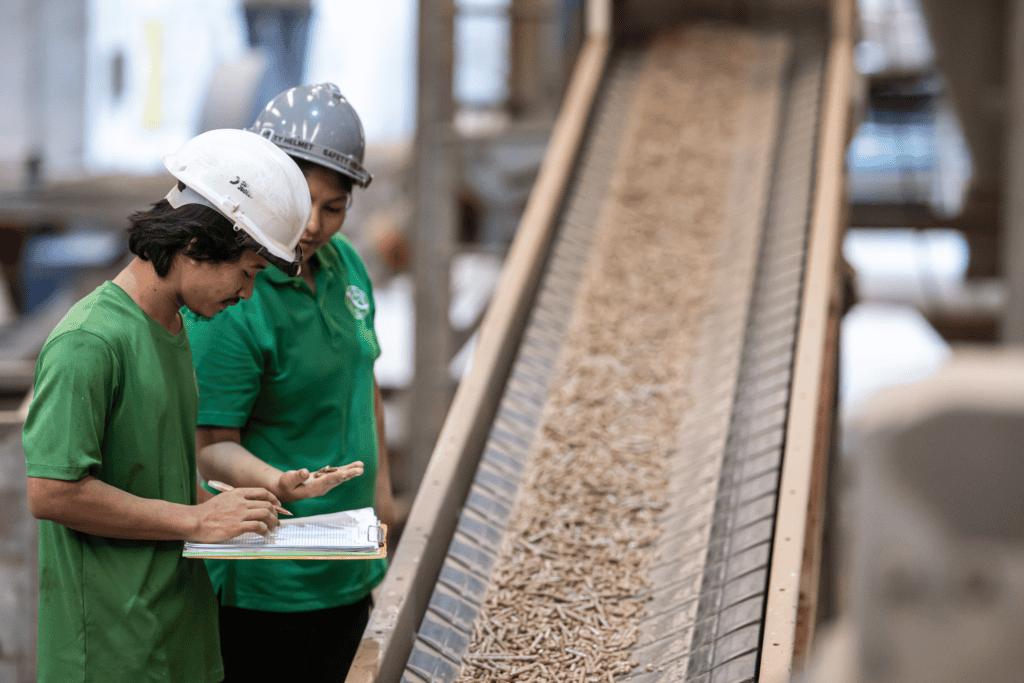
PT Parawood Company Limited has emerged as a leading example of sustainable biomass production in Southeast Asia, demonstrating how responsible sourcing and modern manufacturing can support both industrial growth and environmental stewardship.
The company’s origins date back to the transformation of Xunthai Parawood’s sawmill residues into biomass products, with the first pellet plant established in Sadao in 2016. Beginning with an annual capacity of 25,000 tonnes, continued investment in process efficiency increased output to 54,000 tonnes per year. A second production line, commissioned in 2021, expanded total capacity to 133,000 tonnes, while a third line introduced in 2024 elevated production to approximately 240,000 tonnes annually.
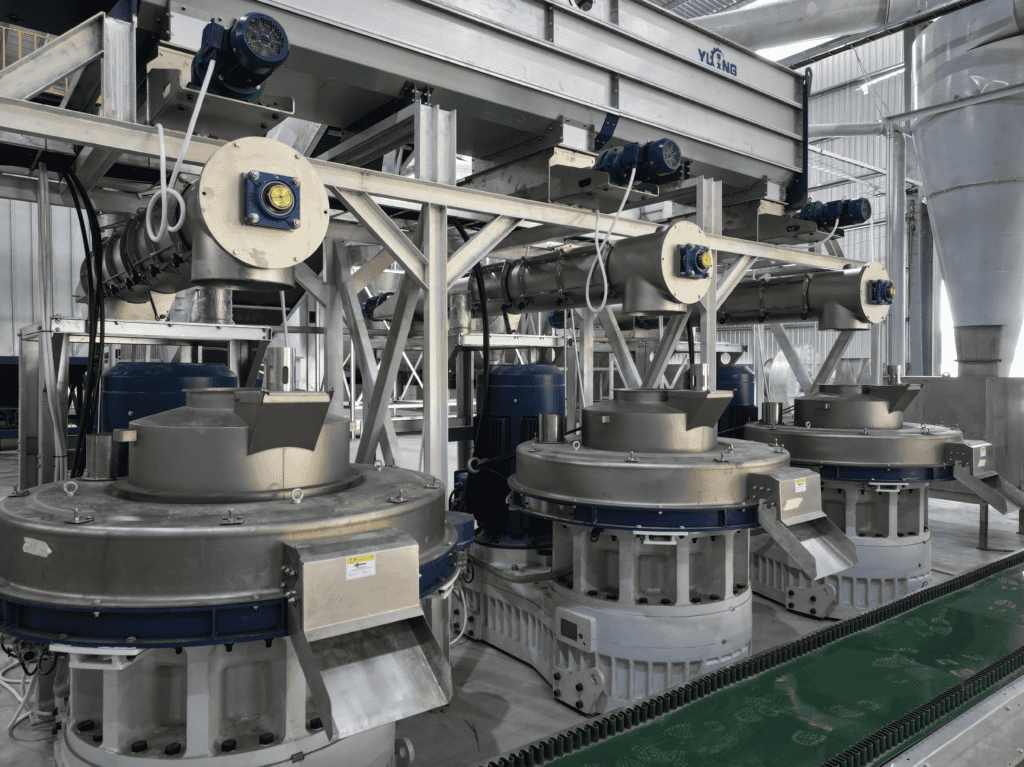
In 2025, PT Parawood expanded its operations to Lampod, establishing a new headquarters and production site designed for high efficiency and future capacity growth. Covering 86,400m², the Lampod facility launched with an annual production capacity of 160,000 tonnes and provides further room for expansion to meet rising international demand.
Feedstock used in PT Parawood’s pellet production is derived primarily from sawmill processing residues. Rubberwood is sourced exclusively from long‑established plantations in Southern Thailand, where rubber cultivation operates on a natural 20–25‑year cycle. At the end of this cycle, mature trees are harvested and replanted, enabling continuous forest regeneration and responsible land use. Every stage of feedstock handling, from plantation sourcing to sawmill operations and pelletisation, is closely monitored to ensure alignment with international sustainability expectations and to maintain traceable, compliant supply chains.
PT Parawood became the first company in Thailand to earn SBP certification following the successful certification of its two facilities in 2025: the Sadao site in October 2025 and the Lampod site in December 2025. These certifications mark an important milestone for Thailand’s biomass sector. SBP certification verifies that the company maintains robust systems for responsible sourcing, feedstock verification, supply chain traceability, and detailed energy and carbon data reporting, all essential requirements under the SBP framework and increasingly central to global biomass trade.

Compliance with SBP’s enhanced v2.0 sustainability criteria ensures alignment not only with SBP’s expectations but also with international market requirements for rigorous emissions, energy and carbon reporting under RED‑aligned frameworks.
For PT Parawood, SBP certification strengthens its ability to supply sustainably sourced wood pellets to global consumers at a time when scrutiny of biomass supply chains is intensifying. As international markets, particularly in Europe and East Asia, continue to prioritise sustainability, transparency and regulatory compliance, the company’s commitment to continuous improvement positions it as a reliable supplier in an increasingly competitive sector.
More broadly, PT Parawood’s progress provides a benchmark for Thailand’s expanding bioenergy industry. Its integration of plantation‑based feedstock, efficient manufacturing technologies and internationally recognised sustainability standards demonstrates how local producers can meet global expectations. As biomass plays a growing role in renewable energy generation and industrial decarbonisation, PT Parawood exemplifies how SBP certification supports credible, responsible growth while reinforcing Thailand’s potential as a sustainable biomass producer on the world stage.
More articles like this
Advancing the next generation of sustainable bioenergy with black pellets


Strengthening sustainable biomass production and trade in China
eParcel: Strengthening sustainable biomass production and trade in China


Championing sustainable biomass solutions
LEAG: Championing sustainable biomass solutions