Estimated reading time:
4m
Posted on:
May 12, 2026 at 2:54 pm
Written by:
Melanie Wedgbury
Organisation:
UPC Renewables Japan
Country:
Japan
Type:
Trader
Strengthening sustainable biomass trade in Asia through SBP certification

“For us, maintaining high‑integrity supply chains is essential. SBP certification enables full traceability from source to end‑user and provides verified GHG and energy data that our Japanese partners depend on. It enhances trust across the markets we serve and reinforces our commitment to responsible, transparent biomass trading.” Oliver Mauss, CEO UPC Renewables Japan

UPC Renewables Japan, headquartered in Tokyo, has become an important example of how SBP certification is increasingly shaping biomass trading practices across Asian markets. As demand for sustainably sourced woody biomass continues to expand in Japan and the wider Southeast Asian region, UPC’s decision to pursue SBP certification reflects a strategic commitment to transparency, regulatory compliance and beyond, and high‑integrity fuel supply chains.
A primary driver behind UPC’s adoption of SBP certification is its essential role in demonstrating compliance with Japan’s Feed‑in‑Tariff (FIT) sustainability guidelines. Under Japan’s regulatory framework, biomass‑fuelled power producers seeking subsidies must provide rigorous verification of the legality and sustainability of their feedstocks. SBP is recognised by the Japanese government as one of the key certification schemes capable of supplying this assurance, offering clear evidence of legal compliance, sustainable sourcing, and full life‑cycle greenhouse gas (GHG) performance.
For UPC Renewables, SBP certification directly supports its trading operations in Japan by providing the credible data and documentation required for FIT eligibility. Through SBP’s energy and GHG data tracking, UPC can demonstrate verified carbon footprints associated with the materials it trades. Supply chain traceability, from point of origin to end‑user, is a core component of the SBP scheme and helps UPC meet the legal due‑diligence requirements established under Japan’s Clean Wood Act. This comprehensive verification framework allows the company to confidently supply Japanese biomass power producers who increasingly require documented sustainability performance as a condition of procurement.
Japan’s biomass market is entering a more selective phase. Following the announcement by Japan’s Ministry of Economy, Trade and Industry
(METI) that power plants above 10MW will no longer qualify for feed‑in premiums from April 2026, attention is shifting away from new large‑scale developments and towards optimising existing assets. Japanese financial institutions are responding to this shift by applying heightened scrutiny to biomass supply chain risks, while corporations face growing pressure to demonstrate more robust sustainability due diligence. Within this context, SBP certification enables UPC to provide a reliable assurance mechanism aligned with these evolving expectations.
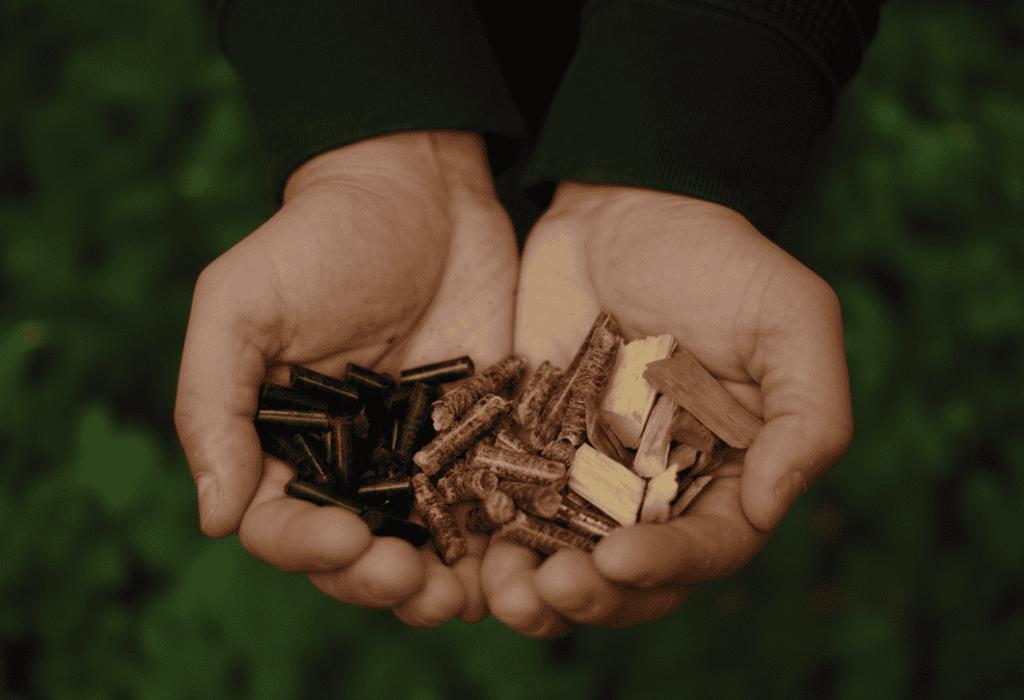
Beyond Japan, UPC Renewables is observing significant movement across Southeast Asia, where co‑firing biomass with coal is gaining momentum in markets including Thailand, Indonesia, and the Philippines. Co‑firing offers a pathway for existing coal plants to reduce carbon intensity without premature retirement, and it is generating new demand for sustainable biomass feedstocks. As regional interest in low‑carbon energy solutions grows, UPC’s role as an SBP‑certified trader positions the company to support emerging biomass supply chains with a standardised, internationally recognised assurance model.
UPC’s commitment extends beyond trading. The company is developing biomass‑related assets across Southeast Asia with an ambition to deliver not only environmental but also social and economic benefits. Projects in the Philippines, Indonesia, and other ASEAN nations include initiatives focused on replanting regionally appropriate species to restore degraded land, reverse deforestation trends, and generate biomass products that support both local livelihoods and global decarbonisation.
During its first development phase, UPC has line‑of‑sight to 50,000 hectares of reforested land, with plans for significantly more in subsequent phases. These long‑term investments illustrate the company’s ambition to supply sustainable biomass at scale while embedding inclusive, regenerative practices within the landscapes it operates.
As Asia’s biomass sector evolves, UPC Renewables demonstrates how SBP certification can underpin credible, transparent, and future‑proof biomass supply chains. By aligning its Tokyo‑based trading operations with SBP’s rigorous sustainability framework, UPC is strengthening market confidence, supporting regional decarbonisation strategies, and contributing to the development of responsible biomass markets across the wider Asia‑Pacific region.
More articles like this
Driving sustainable fuel diversification in hard‑to‑abate industrial sectors


Pioneering sustainable biomass solutions
Javelin Global Commodities: Pioneering sustainable biomass solutions


Scaling sustainable wood pellet production in Thailand’s fast‑growing biomass sector